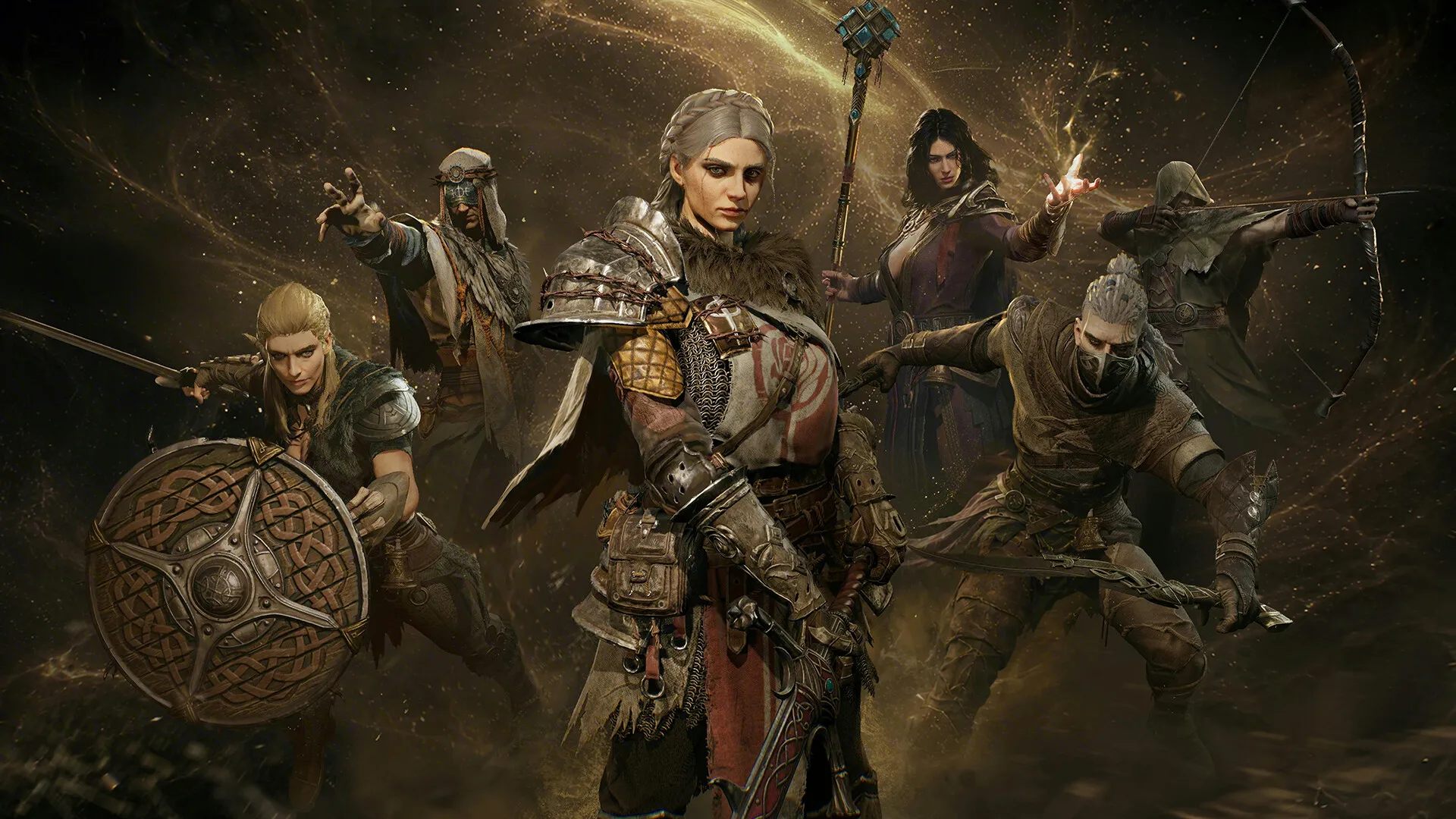
Mistfall Hunter Classes at a Glance
| Class | Official weapons or branches | Combat range | Main role | Core playstyle |
|---|---|---|---|---|
| Mercenary | Sword & Shield, Hammer | Melee | Defense and heavy pressure | Blocking, precise parries, charged heavy attacks |
| Sorcerer | Staff, Elemental, Stardust | Ranged / Mixed | Magic damage and control | Elemental spells, area effects, crowd control |
| Blackarrow | Bow, Archer, Hunter | Ranged | Ranged pressure | Charged shots, frequent hits, special arrows |
| Seer | Catalyst, Mace | Mixed | Support and flexible combat | Healing, kiting, mobility, close-range pressure |
| Shadowstrix | Dagger, Dual Blades | Melee | Pursuit and disruption | Mobility, ambushes, weapon-specific attacks, control chains |
| Withered Knight | Greatsword, Polearm & Shield | Melee | Heavy offense and protection | Reach, blocking, counterattacks, team utility |
The weapon and branch names in this table come from official materials. “Combat range,” “main role,” and “core playstyle” are editorial categories used to make the classes easier to compare; they are not official in-game ratings.
How Classes Work in Mistfall Hunter
Six Distinct Classes
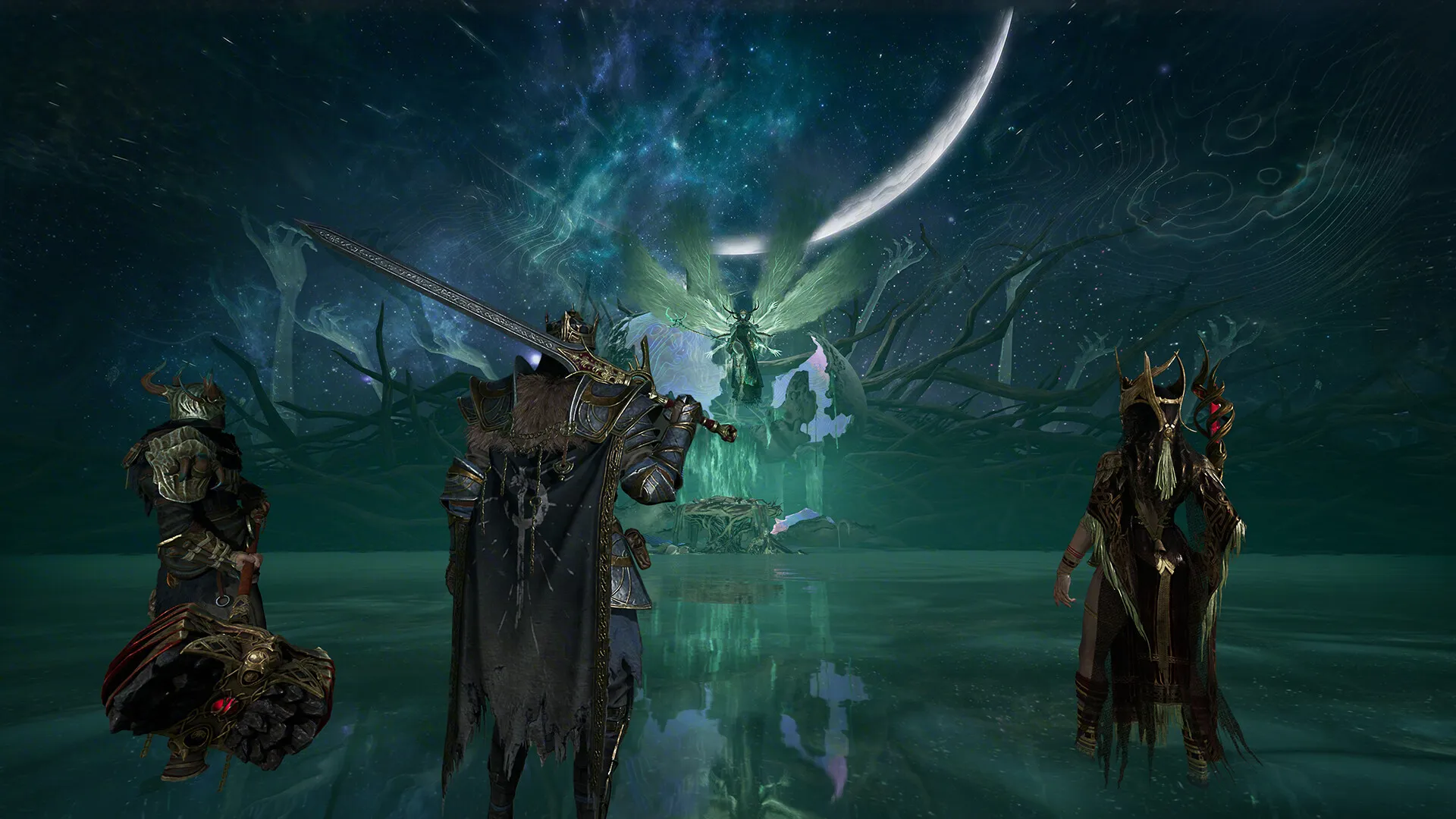
Mistfall Hunter’s Steam description identifies six distinct classes. A class determines more than a character’s appearance: it shapes the available weapon styles, skills, talents, and general combat rhythm. The six classes cover a broad range of approaches, including guarded melee combat, heavy charged attacks, ranged archery, elemental spellcasting, healing, mobility, and team protection.
The classes are not presented as fixed MMO-style roles that can perform only one function. Seer, for example, includes both healing-oriented Catalyst play and aggressive Mace combat. Withered Knight can lean toward offensive Greatsword pressure or defensive Polearm & Shield utility. Your equipped branch, selected skills, talents, and gear can therefore change how a class contributes to a fight.
Weapons, Branches, and Combat Styles
Official materials use several related terms, including weapon, weapon stance, branch, and playstyle. The Steam page says that each class has two unique weapon stances, while individual developer notes sometimes describe two styles under the same weapon.
For example:
- Mercenary uses Sword & Shield or Hammer.
- Sorcerer uses a Staff with Elemental and Stardust playstyles.
- Blackarrow uses a Bow with Archer and Hunter playstyles.
- Seer uses Catalyst or Mace.
- Shadowstrix uses Dagger or Dual Blades.
- Withered Knight uses Greatsword or Polearm & Shield.
This means that “two stances” does not always mean two completely unrelated physical weapons. In some cases, the distinction is better understood as two branches or approaches associated with one weapon type.
The official website also states that players can switch weapons during battle to adapt to different enemies. This makes weapon choice part of moment-to-moment combat rather than only a decision made before entering an encounter.
Skills, Talents, and Gear
Class identity is further shaped by active skills, talent trees, equipment, and gem-related affixes. These systems allow players to adjust how a class deals damage, survives pressure, controls enemies, supports teammates, or moves around the battlefield.
This overview does not recommend exact talents, skill rotations, or gear affixes. Those details depend on the current version, the chosen weapon branch, the game mode, and the player’s objectives. They are better covered in individual class and build guides.
Solo and Team Play
Mistfall Hunter supports both solo play and fighting alongside allies. The official website also highlights weapon switching and team combos as part of its combat system.
Some classes naturally offer tools that may be valuable in a group. Seer can provide healing and support, Withered Knight can gain team-oriented defensive options, and several classes offer crowd control or disruption. However, these are broad playstyle tendencies rather than mandatory party roles. Equipment, talents, skill choices, and player execution can significantly affect how a class performs.
Mercenary
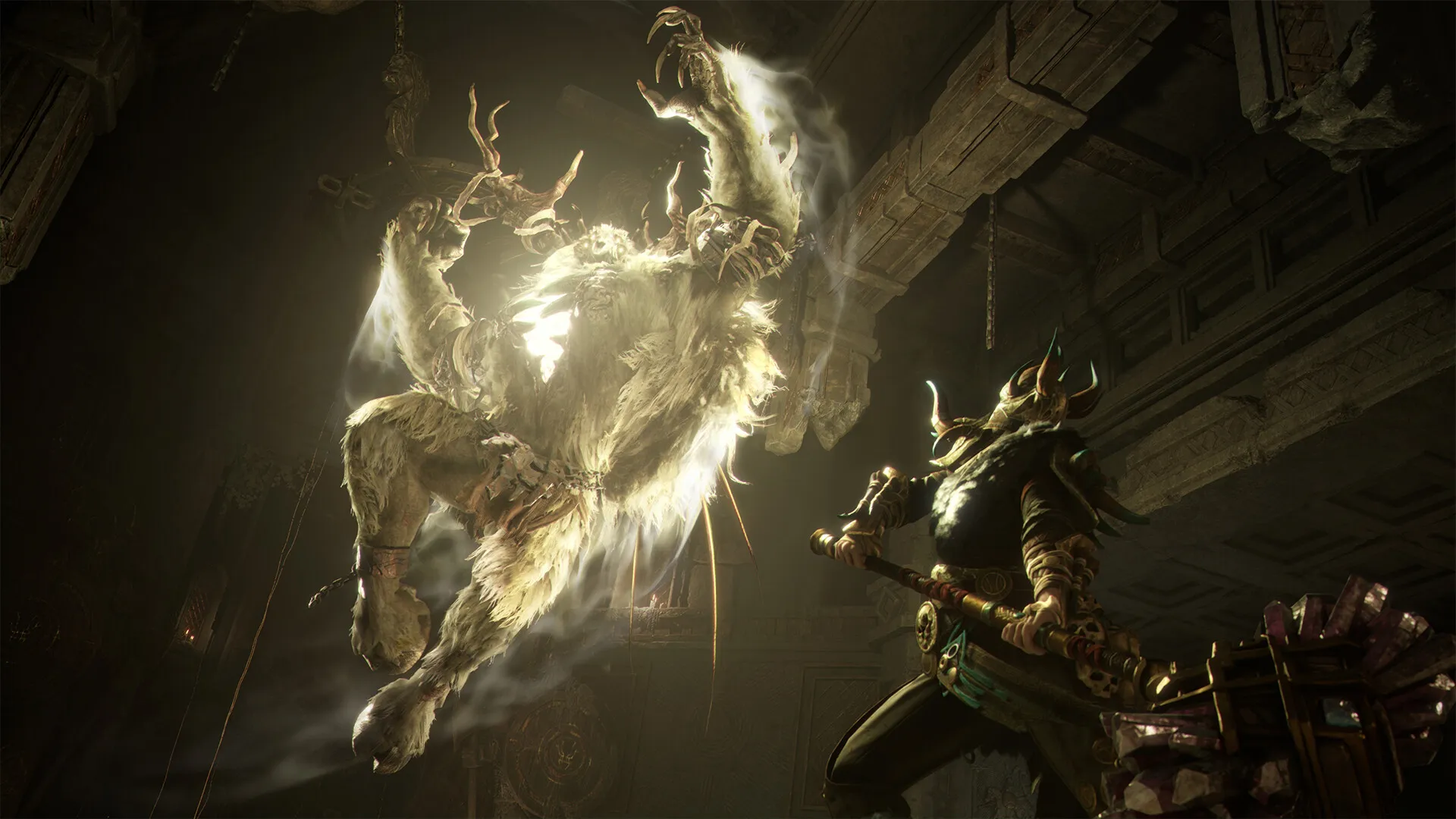
Mercenary is a melee class built around Sword & Shield and Hammer combat. Its official design material emphasizes defensive mechanics, precise parries, shield-related talents, and heavy charged attacks. It may appeal to players who prefer deliberate positioning and timing rather than constant ranged pressure.
Sword & Shield focuses on guarded combat. The official material references Perfect Parry, blocking mechanics, and talents connected to shield play. This branch is designed around reading incoming attacks, defending at the correct moment, and converting protection into counterpressure.
Hammer shifts the class toward slower, heavier commitment. Its official skills include charged smashes, charged leap attacks, and attacks that require the player to control direction and targeting during powerful animations. The developer notes described both Mercenary playstyles as high-risk, high-reward in the context of PvE tuning, although this should not be treated as a permanent difficulty or power rating.
Mercenary may suit players who enjoy blocking, parrying, and landing decisive heavy attacks. Sword & Shield offers a more defensive rhythm, while Hammer places greater emphasis on charge timing and target control.
Sorcerer
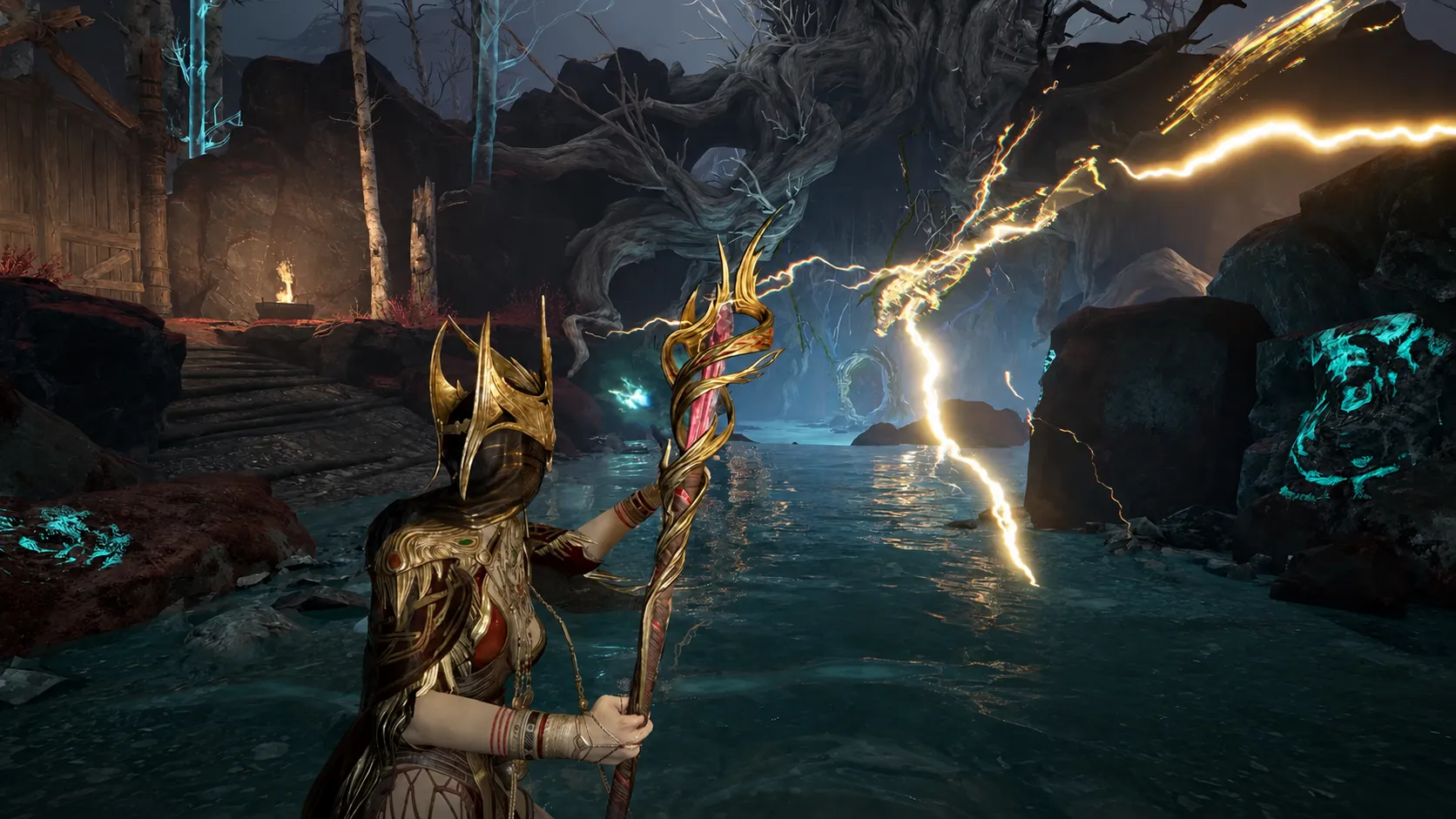
Sorcerer is a magic-focused class that uses a Staff and supports Elemental and Stardust playstyles. Official material associates the class with fire, ice, lightning, area effects, crowd control, baseline spells, and close-quarters tools.
Elemental play draws from several damage and control types. The official skill material includes fire, ice, and lightning abilities, indicating a toolkit that can address enemies through direct damage, area pressure, defensive effects, and control. Ice-related tools were also described as capable of strong crowd-control chains in extreme pre-launch scenarios.
Stardust represents the class’s other confirmed playstyle. Developer notes reference Stardust-specific spells and casting-related talents, suggesting a more specialized spellcasting rhythm. The official July 30 update also corrected the description of a Stardust-related chanting talent, showing that this branch remained part of the release version.
Pre-launch developer notes described Sorcerer as having a relatively steep learning curve, but they also stated that baseline and close-range skills were adjusted to improve accessibility and survivability. This is useful design context, not a permanent difficulty rating.
Sorcerer may appeal to players who prefer elemental magic, ranged pressure, area damage, and crowd control, while still having some tools for enemies that close the distance.
Blackarrow
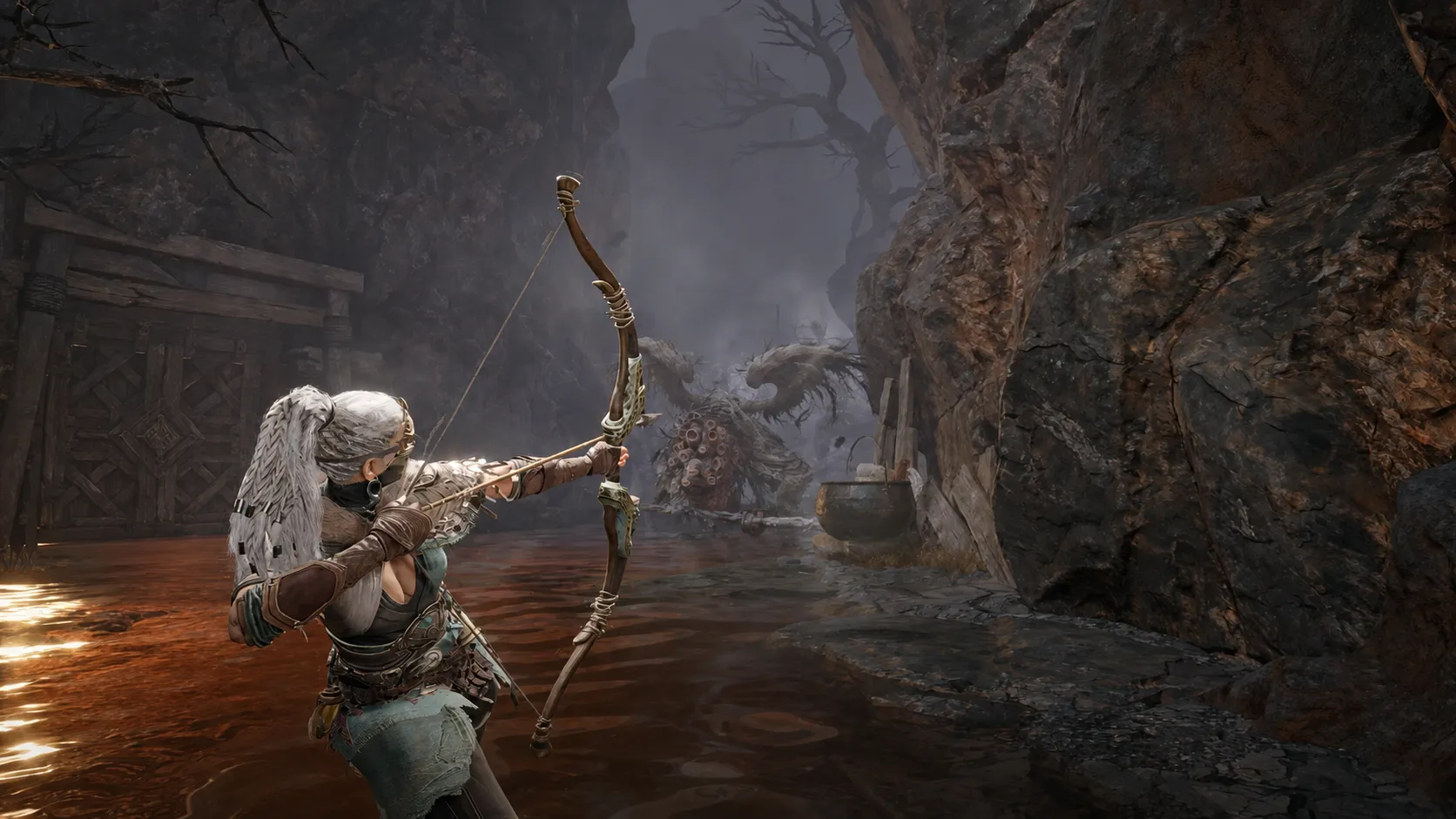
Blackarrow is a ranged class that uses a Bow with Archer and Hunter playstyles. Its core identity is built around distance management, special-arrow effects, and two different attack rhythms.
Archer emphasizes fully charged shots. Official developer material connects this branch to attacks that gain value when the bow is fully charged, making patience, timing, and accurate releases central to the playstyle.
Hunter emphasizes higher-frequency hits. Rather than waiting for individual fully charged attacks, this branch is associated with landing attacks more often and using effects designed around repeated hits. Special arrows can contribute both damage and crowd-control value across the class’s toolkit.
Some pre-launch test data described Blackarrow as strong in solo play, but that material was part of a balance discussion and should not be treated as proof that Blackarrow is currently the best solo class. The official sources collected for this page support its ranged identity, not a live tier placement.
Blackarrow may suit players who want to fight primarily at range. Archer is more aligned with deliberate charged shots, while Hunter may appeal to players who prefer a faster attack frequency and repeated special-arrow interactions.
Seer
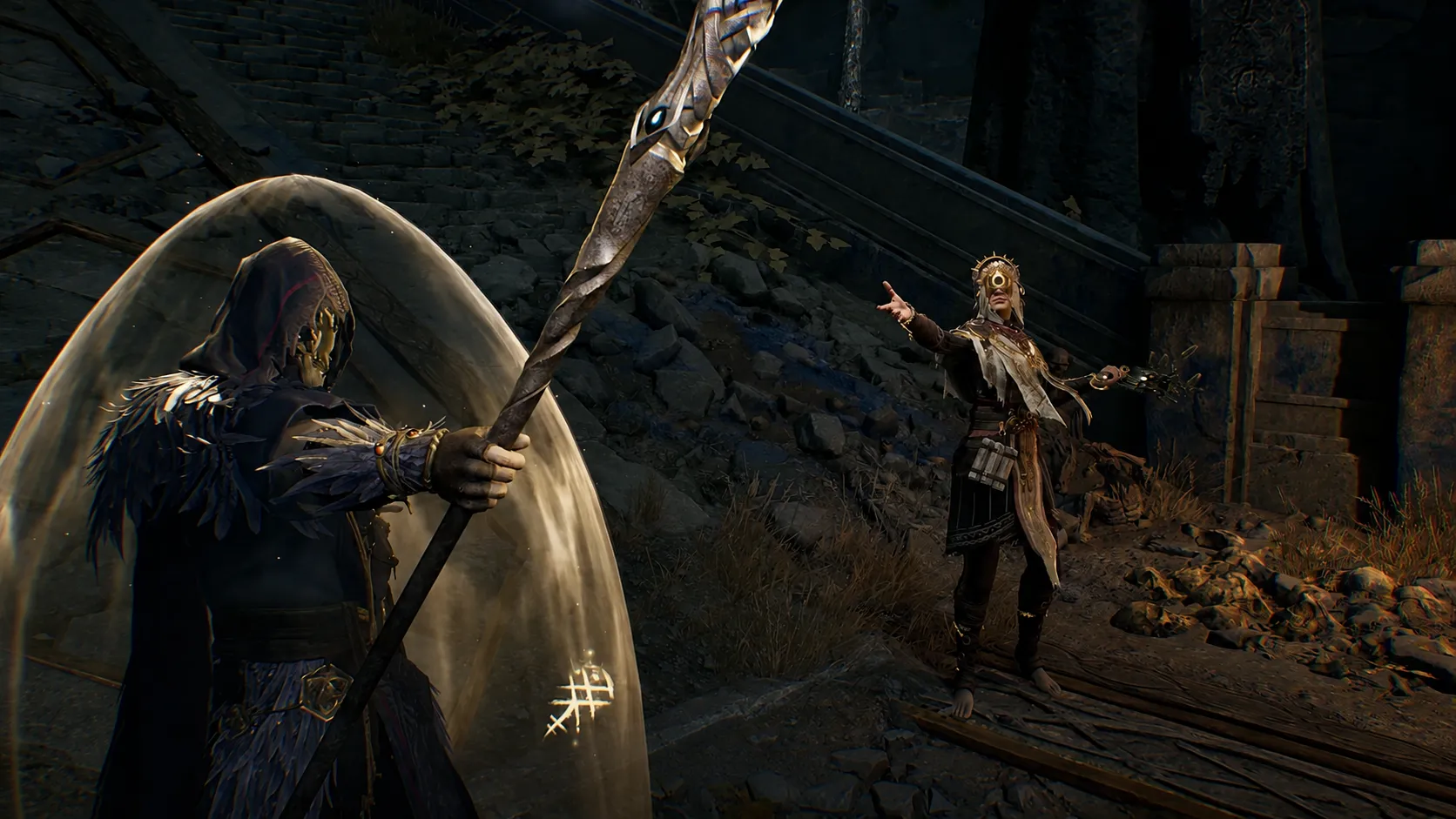
Seer is a hybrid class that uses Catalyst and Mace, offering a larger shift in role between its two weapon options than many other classes. Official material associates Catalyst with support, healing, enhanced orbs, ranged pressure, and kiting. Mace focuses more on mobility, short-range chasing, disengagement, control, lifesteal-related effects, and Super Armor-oriented combat.
Catalyst supports a more measured, distance-conscious approach. Its healing tools depend on mechanics such as enhanced orbs, while its kiting capabilities allow the Seer to maintain space and continue contributing during a fight.
Mace moves the class closer to enemies. The official design notes describe short-range chasing, mobility, escape tools, control effects, and a Super Armor playstyle. This gives Seer an aggressive option rather than limiting the class to pure healing.
Seer should therefore not be viewed only as a traditional support character. The class can provide healing and team value, but it also has a close-range branch designed around pressure and movement.
Seer may appeal to players who value flexibility. Catalyst supports healing and kiting, while Mace provides a more mobile and confrontational approach.
Shadowstrix
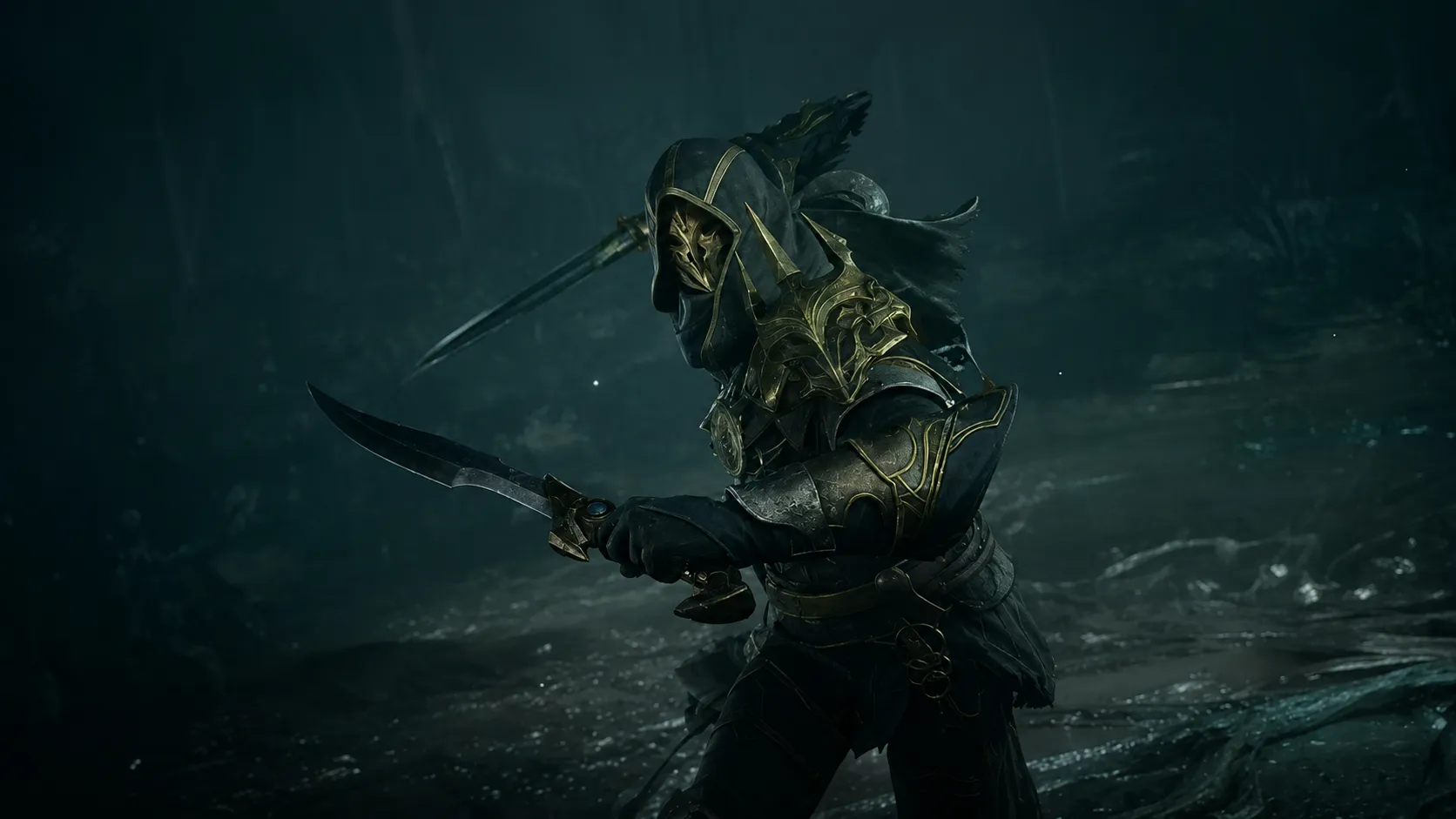
Shadowstrix is a mobile melee class that uses Dagger and Dual Blades. Official design material connects the class with pursuit attacks, ambush-oriented tools, high mobility, weapon-specific skills, and crowd-control chains.
Dagger includes ambush-related mechanics and skills designed around sudden engagement. Dual Blades offers its own weapon-specific attacks and maintains the class’s fast, aggressive identity. The official notes also state that bonuses from weapon-specific skills and talents require the corresponding weapon, reinforcing the importance of branch choice.
Mobility is one of Shadowstrix’s clearest themes. Pursuit attacks help it close distance or remain on a target, while crowd-control tools can disrupt opponents and create opportunities for follow-up attacks. Pre-launch balance notes adjusted some of this mobility and control, but those changes should not be converted into current strength claims without later live-version evidence.
Shadowstrix may suit players who prefer fast melee movement, chasing targets, ambushes, and disruptive combos. It is the closest of the six classes to a traditional rogue or assassin archetype, but Rogue is not the official class name.
Withered Knight
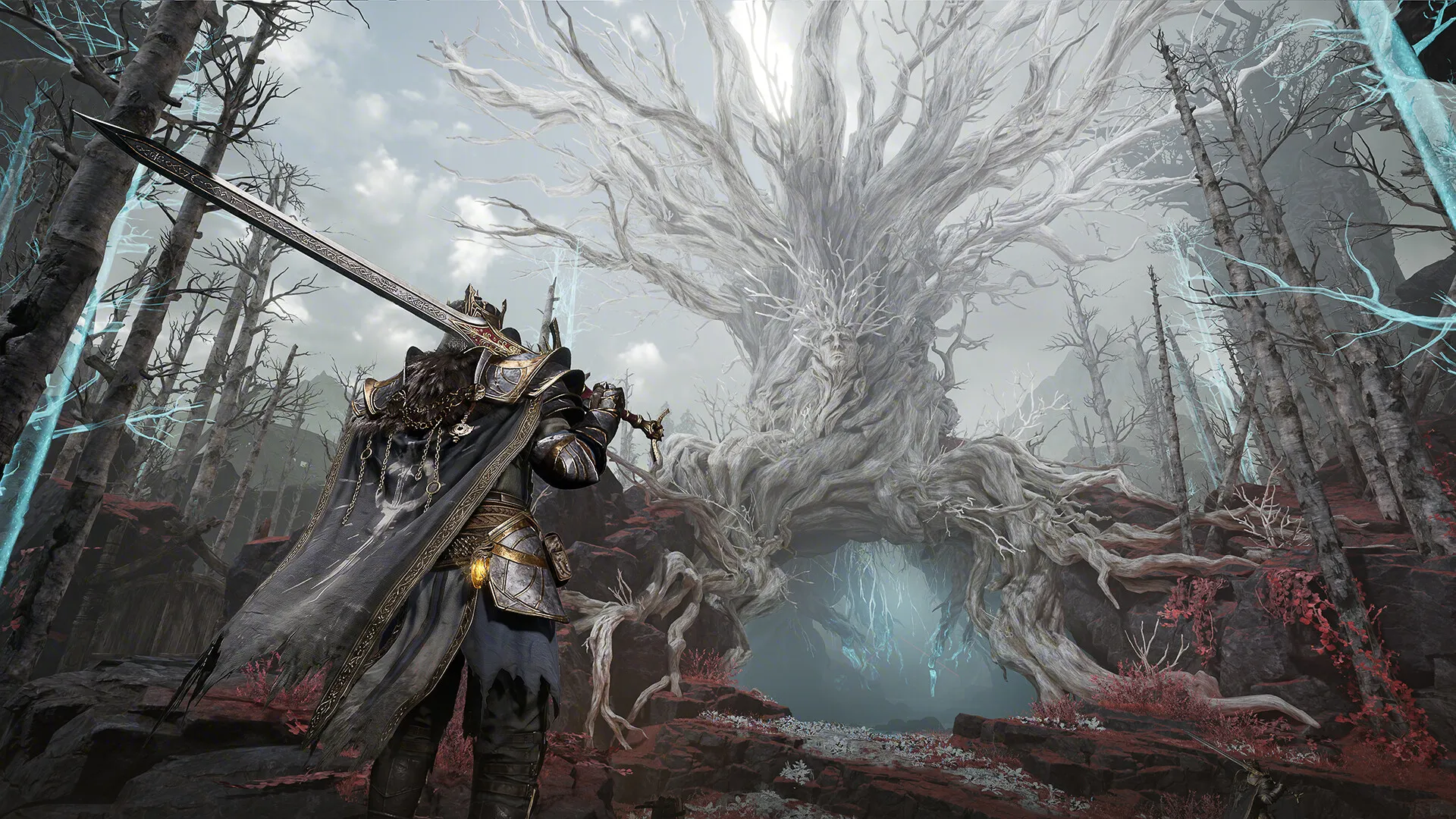
Withered Knight is a heavy melee class with Greatsword and Polearm & Shield branches. Greatsword is officially described as the more offense-oriented option, while Polearm & Shield adds reach, blocking, counterattacks, and team utility.
Greatsword represents the class’s direct heavy-offense path. It is suited to players who want the Withered Knight’s core combat identity expressed through more aggressive melee pressure.
Polearm & Shield creates a different combat rhythm. The polearm provides greater attack reach but requires precise timing and aim. The shield allows players to build power while actively blocking and then prepare a counterattack. Some skills also include block protection, giving the branch interruption resistance during selected actions.
The branch also includes team-oriented utility, including an officially described ability to rescue a downed teammate from range. Its talents can support both damage-focused and defensive team play. Polearm & Shield was confirmed as playable in the release environment through official July 30 balance adjustments.
Withered Knight may suit players who enjoy heavy melee combat. Greatsword favors direct offense, while Polearm & Shield rewards reach management, blocking, counterplay, and team support. The official notes describe Polearm & Shield as having a slightly steeper learning curve than Greatsword, so it should not automatically be presented as the easier defensive option.
Which Mistfall Hunter Class Should You Choose?
There is no officially confirmed best class for every player or game mode. A practical way to choose is to identify the combat rhythm you enjoy most.
| If you prefer... | Classes to consider |
|---|---|
| Blocking and defensive melee | Mercenary or Withered Knight |
| Precise parries | Mercenary |
| Heavy charged attacks | Mercenary |
| Elemental magic and area control | Sorcerer |
| Bow-based ranged combat | Blackarrow |
| Deliberate charged ranged shots | Blackarrow — Archer |
| Faster repeated ranged hits | Blackarrow — Hunter |
| Healing and ranged support | Seer — Catalyst |
| Mobile close-range hybrid combat | Seer — Mace |
| Pursuit, ambushes, and fast melee | Shadowstrix |
| Heavy offense with team protection options | Withered Knight |
These suggestions are based on the published class and weapon identities. They are not a tier list and do not claim that one class is objectively stronger than another.
Players who are new to the game may find it useful to choose according to familiar mechanics. Someone comfortable with guarding and parrying may prefer Mercenary. A player who wants to maintain distance may lean toward Blackarrow. Players who enjoy spellcasting and crowd control may prefer Sorcerer. The best starting choice depends more on preferred inputs and combat tempo than on an unsupported universal ranking.
Can You Switch Classes in Mistfall Hunter?
Officially confirmed
Yes. Official material confirms that class switching exists. A launch announcement referred directly to fixing a problem that could occur when switching classes after equipping a Combat Bag. Official FAQ material also distinguishes between creating a new character and switching classes, indicating that both are recognized game flows.
Still unclear
However, the public official materials reviewed for this guide do not fully explain how the system works. The following details remain unresolved:
- The exact menu or location used to switch classes.
- Whether the first switch is free.
- The currency and price required for later switches.
- Whether there is a cooldown.
- How class levels are retained or restored.
- How character slots work.
- Whether quests, storage, currency, camp progress, or equipment are shared.
- Which inventory conditions may prevent switching.
Post-launch players have discussed using class switching, but ordinary-member Discord comments are community observations rather than official rules. Conflicting player reports about costs, slots, cooldowns, and progression should not be presented as confirmed facts.
Frequently Asked Questions
How many classes are in Mistfall Hunter?
Mistfall Hunter has six distinct classes: Mercenary, Sorcerer, Blackarrow, Seer, Shadowstrix, and Withered Knight. The six-class roster is confirmed by official Steam material.
What are the six Mistfall Hunter classes?
The six classes are:
- Mercenary
- Sorcerer
- Blackarrow
- Seer
- Shadowstrix
- Withered Knight
Each class uses different weapons or playstyle branches and is built around a different combination of range, mobility, defense, damage, control, or support.
Does every Mistfall Hunter class have two weapons?
Official Steam material describes each class as having two unique weapon stances, but this does not always mean two completely different physical weapons. Mercenary uses Sword & Shield and Hammer, while Sorcerer uses a Staff with Elemental and Stardust playstyles. Blackarrow similarly uses a Bow with Archer and Hunter playstyles.
Can you switch weapons during combat?
Yes. The official Mistfall Hunter website states that players can switch weapons during battles to adapt to different enemies. The exact practical options depend on the selected class and its available weapon or playstyle branches.
Can you switch classes in Mistfall Hunter?
Yes, official materials confirm that class switching exists. However, the complete public rules for costs, cooldowns, level handling, character slots, and shared progression have not been clearly documented in the official sources reviewed for this guide.
Which Mistfall Hunter class is best for beginners?
There is not enough official evidence to name one universally best beginner class. Mercenary may suit players familiar with blocking and parrying. Blackarrow may appeal to players who prefer ranged bow combat. Sorcerer may suit players who enjoy magic, area effects, and crowd control. These are playstyle suggestions rather than an official difficulty ranking.
Which Mistfall Hunter class is closest to a rogue?
Shadowstrix is the closest match to a traditional rogue or assassin archetype because its official design emphasizes Dagger and Dual Blades, mobility, pursuit attacks, ambush-oriented tools, and crowd-control chains. The official class name is Shadowstrix, not Rogue.
Sources and Editorial Policy
This guide uses official Steam materials, the Mistfall Hunter website, developer updates, launch announcements, official post-launch patch notes, and clearly labelled community observations.
Official facts are kept separate from editorial summaries. Pre-launch balance notes are used to explain class design, not to create a current tier list. Unresolved community reports are not presented as confirmed mechanics.
Image source records are maintained in the project documentation.